Ritual Spaces in Ancient Japan
 Editorial
- 28 Jul, 2026
The Animistic Landscape: Nature as Sanctuary
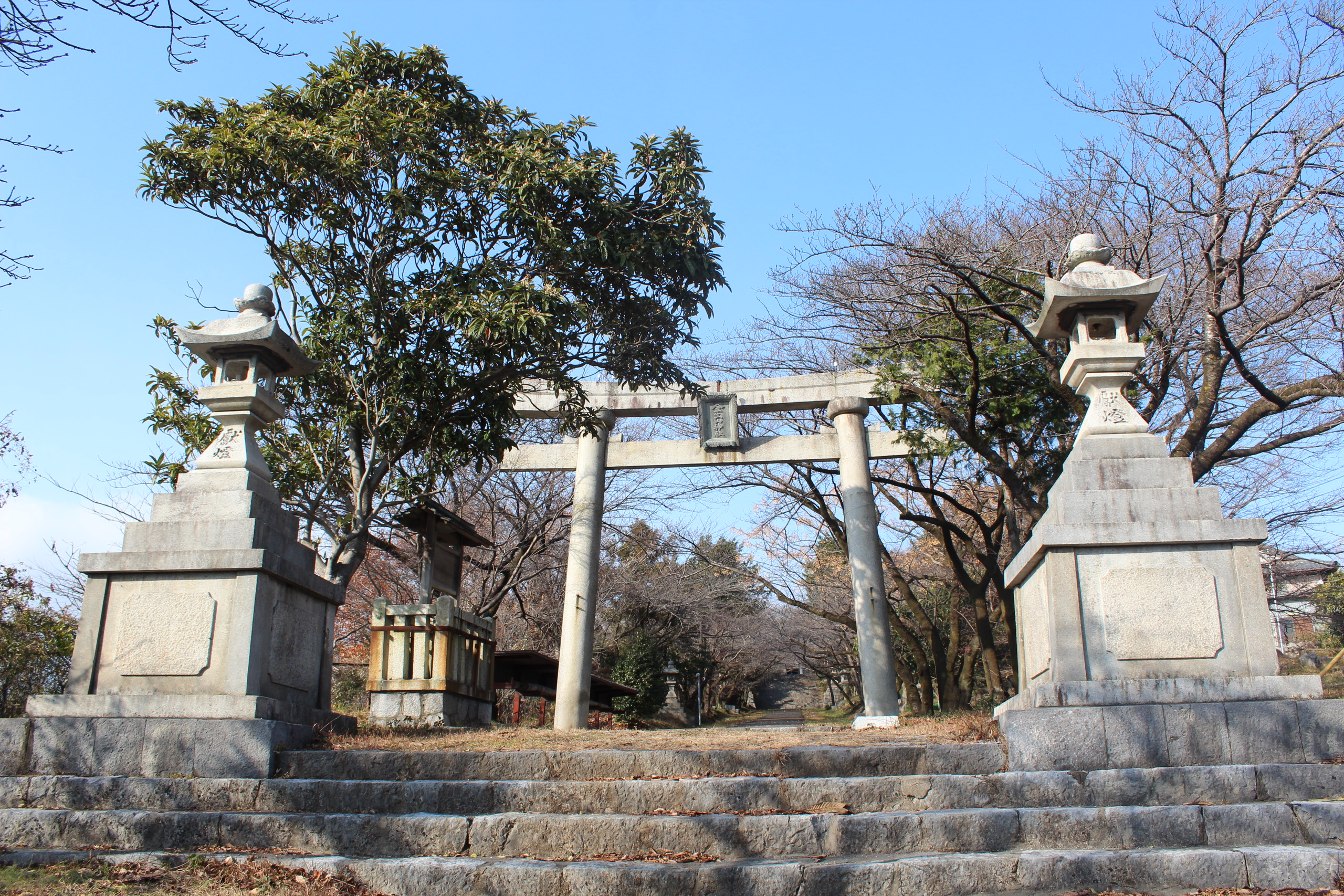
Long before carpenters raised the first wooden shrines, the Japanese archipelago itself was a vast ritual space. Mountains, waterfalls, strangely shaped rocks, and ancient trees were not admired merely for their beauty; they were perceived as the dwelling places of the kami, the myriad sacred essences that animated the world. This deeply animistic worldview, which would later be systematized as Shintō, did not distinguish sharply between the physical landscape and the divine. A sheer cliff, a secluded cove, or a cryptomeria tree so old it seemed to hold the memory of the forest—all could become a yorishiro, an object capable of attracting and temporarily housing a kami. In this earliest layer of spirituality, the ritual space was not constructed but recognized, its sacredness an inherent quality revealed through awe, purity, and the stark presence of natural power.
This intimacy with the land shaped a spiritual architecture that sought not to dominate but to listen. The later tradition of building shrines consciously preserved the atmosphere of these primeval sites. Even today, when one climbs the moss-covered stone steps of a mountain sanctuary or stands before a waterfall hung with a sacred rope, the boundary between human craft and the wild dissolves. The oldest ritual ground is simply a clearing—a himorogi—where a sacred tree or a rock becomes the pivot around which the world of the kami and the world of people gently turn. This foundational idea, that space is not hallowed by walls but by a quality of presence, has persisted for over two millennia, making the ancient ritual landscape of Japan one of the world’s most enduring living traditions.
The Shimenawa and the Act of Demarcation
The simplest and most eloquent tool for defining a sacred zone is the shimenawa, a thickly twisted rope of rice straw, often hung with zigzag strips of white paper called shide. When suspended across a cave entrance, wrapped around a venerable rock, or stretched between poles, the shimenawa performs a single, profound gesture: it separates the everyday world from the precinct of the kami. This is not a barrier that excludes, like a fortress wall, but a threshold that alerts the senses. To pass beneath it or to gaze upon the object it encircles is to become aware that one is entering a different order of reality, one where purity, silence, and respect are the currency of encounter.
The iconic Meoto Iwa, or “Wedded Rocks,” at Futami-ura in Ise Bay, perfectly illustrates this principle. Two sea-stacked rocks, one large and one small, are linked by a massive shimenawa that is ritually replaced several times a year with great ceremony. The rocks themselves are rugged and ancient, but the rope declares them to be the embodiment of Izanagi and Izanami, the primordial creator couple. No temple building is needed; the vast ocean, the salt wind, and the rhythm of the tides form the sanctuary. In this way, the shimenawa teaches that a ritual space is fundamentally a relationship, a covenant between the community and the land, perpetually renewed by human hands yet rooted in the earth’s own story.
From Yorishiro to Permanent Shrines
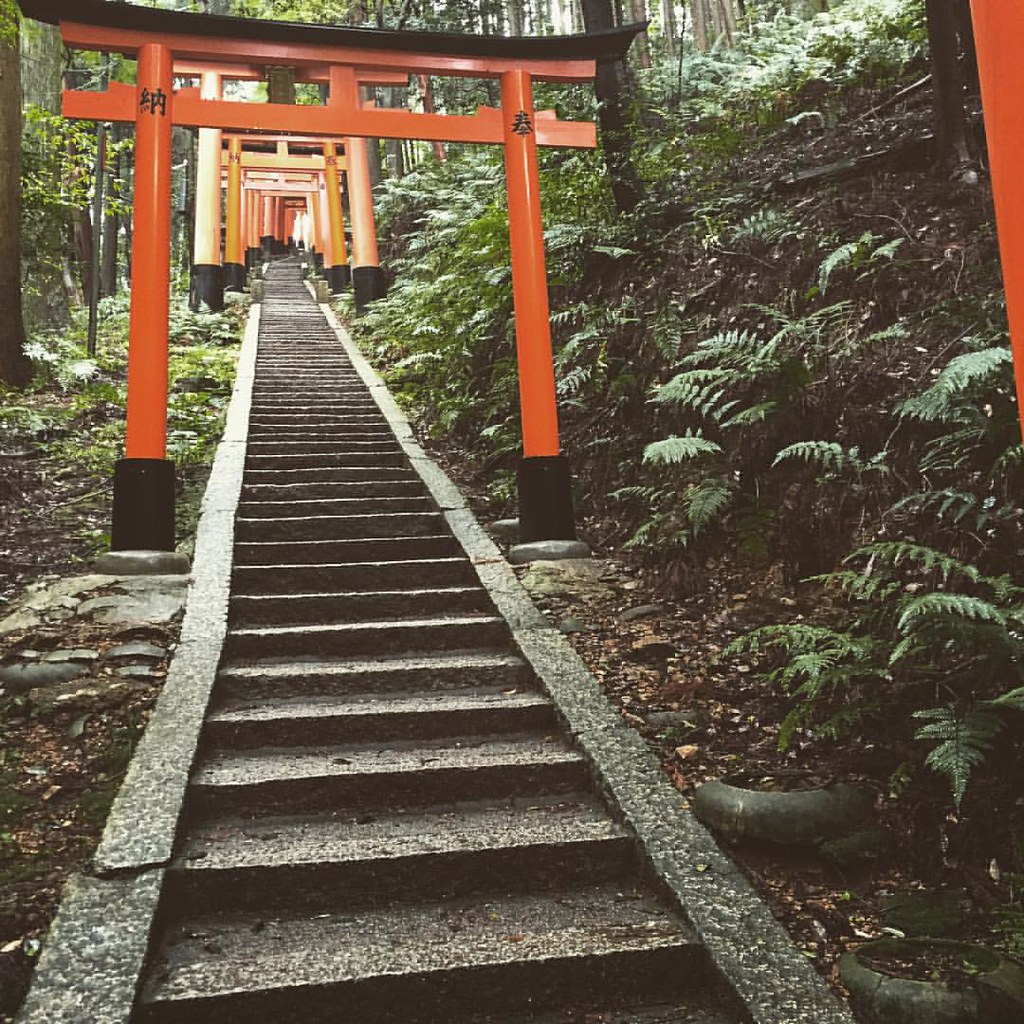
For centuries, ritual practice revolved around impermanent structures. A yorishiro—a chosen tree, pillar, or rock—would be dressed with offerings, surrounded by a fence of sacred branches, and venerated during festivals, only to be left to return to the forest after the kami had departed. Over time, the wish to protect the object and to create a worthy setting for periodic rites gave rise to small thatched shelters, and eventually to the sophisticated wooden architecture we now recognize as Shintō shrines. Yet the early logic never vanished: the building remained a container for a sacred center, not a monumental statement of human ambition. The shrine’s heart, the honden, still houses the goshintai, the physical object in which the kami resides, often hidden from view behind closed doors.
This evolutionary path can be traced in places like Ōmiwa Shrine in Nara Prefecture, one of the oldest sacred sites in Japan. Ōmiwa has no main hall; instead, Mount Miwa itself, a gentle conical mountain, is the goshintai. Worshippers pray directly toward the mountain from a hall of worship that faces it across a courtyard. The site brilliantly preserves the transition from pure nature worship to a built ceremonial framework. Similar transitions are visible at countless shrines where a sacred rock or a pond predates any post-and-beam construction, reminding visitors that the architecture is an extension of the land, not a replacement for it. The evolution from open clearing to enclosed sanctuary parallels the human need to give form to reverence while forever anchoring that form in the wild beauty that awakened it.
Ise Jingū: The Eternal Cycle of Renewal
No site expresses the philosophy of ancient ritual space more completely than the Grand Shrine of Ise, dedicated to the sun goddess Amaterasu Ōmikami. The shrine’s inner sanctum, built in the archaic shinmei-zukuri style, is a marvel of elemental simplicity: a raised-floor structure of unpainted Japanese cypress, with a thatched roof, forked finials (chigi), and billets (katsuogi) laid across the ridge. The building looks as though it could have emerged from a Yayoi-period rice granary, and indeed its form retains the proportions and purity of ancient vernacular storehouses. Every line, every joint, is calibrated to a spiritual intensity rather than decorative excess. Yet what makes Ise truly radical is the ritual of shikinen sengū, the complete rebuilding of the shrine every twenty years on an adjacent, identically prepared site.
This unbroken cycle, maintained since the late seventh century, is far more than a conservation technique. It is a theological statement that ritual space must be eternally fresh, perpetually purified from the stagnation and decay that, in Shintō thought, accumulate over time. During the sengū, the goshintai—the sacred mirror that embodies Amaterasu—is transferred in a night procession wrapped in silence. The old shrine is dismantled, its wood respectfully distributed to other shrines across Japan, while identical new structures rise on the pristine gravel of the alternate site. The empty plot, covered with a small wooden hut marking the spot where the shrine will stand, waits like a seed. This rhythm of death and rebirth, so closely attuned to the cycles of nature and of rice cultivation, makes Ise not merely an ancient monument but a living clock of cosmic renewal. It teaches that the truest ritual space is one that can let go, that honors the ephemeral as the very fabric of the sacred.
Izumo Taisha: Grandeur and the Assembly of the Kami
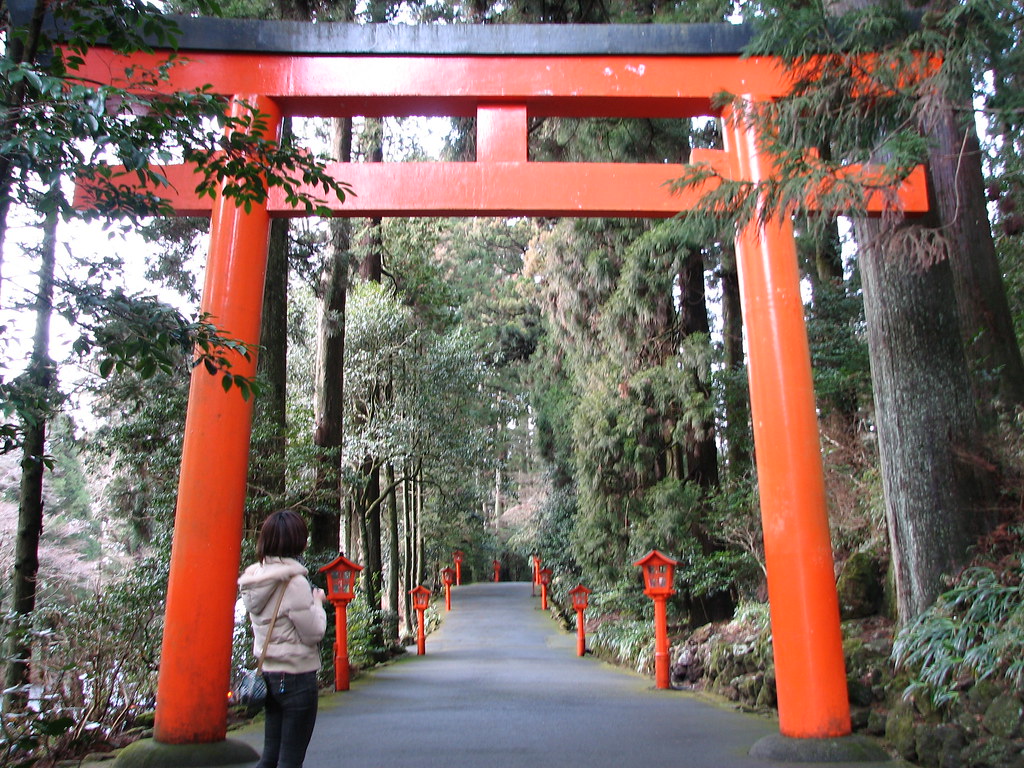
While Ise embodies the spirit of intimate, cyclical austerity, Izumo Taisha on the coast of the Sea of Japan represents an older, towering scale of sacred architecture. The shrine, dedicated to Ōkuninushi-no-Mikoto, the kami of nation-building and unseen bonds, is famous for its taisha-zukuri style, distinguished by a steeply pitched gable roof adorned with enormous chigi and katsuogi that sweep dramatically upward. The current honden, built in the eighteenth century, is itself a massive structure, but archaeological evidence and historical records suggest that the Heian-period shrine may have soared to an astonishing height of around 48 meters, making it perhaps the tallest wooden building in ancient Japan. The ritual space at Izumo is therefore one of vertical ascent, as if the kami’s dwelling must reach into the sky to bridge the realms.
Izumo Taisha’s ritual calendar reveals another dimension of ancient sacred space. According to myth, all the kami of Japan gather at Izumo during the tenth lunar month, a time known everywhere else as Kannazuki, “the month without kami.” Here, however, it is called Kamiarizuki, “the month with kami.” To accommodate this immense divine assembly, numerous small auxiliary shrines dot the expansive grounds, each serving as a guesthouse for visiting deities. The space is thus designed not just for a single resident kami but as a great ceremonial complex where invisible multitudes meet to weave the fate of human relationships and harvests. Visiting Izumo during Kamiarizuki, even today, is to sense the ancient belief that sacred space can become a node of convergence, a parliament of spirits nestled within a grove of ancient trees. The architectural grandeur and the underlying hospitality toward the invisible community highlight how Japanese ritual space always negotiates between the individual, the collective, and the otherworldly.
Mountain Cults and the Spirit of the Stone
Beyond the celebrated grand shrines, the most numinous ritual spaces of ancient Japan were often the most remote. Entire mountains were—and continue to be—worshipped as shintai-zan, sacred peaks whose bodies could not be built upon, only circumambulated or climbed as an act of devotion. Dewa Sanzan in Yamagata Prefecture, the three mountains of Haguro, Gassan, and Yudono, represent a path of death and rebirth where pilgrims walk in symbolic journey through the present world, the world of the ancestors, and the world of the future. The physical effort of the climb, the changing vegetation, the palpable cold of the upper slopes, all transform the landscape into a liturgical text experienced through the body.
Equally powerful are the sacred rocks that resist all architectural enclosure. At Kumano Nachi Taisha, the object of worship is not a building but the Nachi Waterfall itself, a 133-meter cascade that crashes into a basin shadowed by primordial forest. In the ancient Kumano cult, the waterfall is the kami, a direct emanation of Kannon’s compassion melded with Shintō nature worship. At the foot of the torrent, a simple enclosure marks the space where one stands to receive the mist like a blessing. Similarly, the Iwakura rock formations found across the archipelago—jumbles of boulders held in place by nature yet appearing arranged by intent—functioned as open-air altars where ancient communities communicated with the spirits of the land. These sites teach us that the most profound ritual architecture is sometimes no architecture at all, but rather the framing of attention: a stone path that bends to reveal a sudden vista, a torii gate placed in the surf with nothing but ocean beyond it, announcing that the divine is precisely where human construction ends.
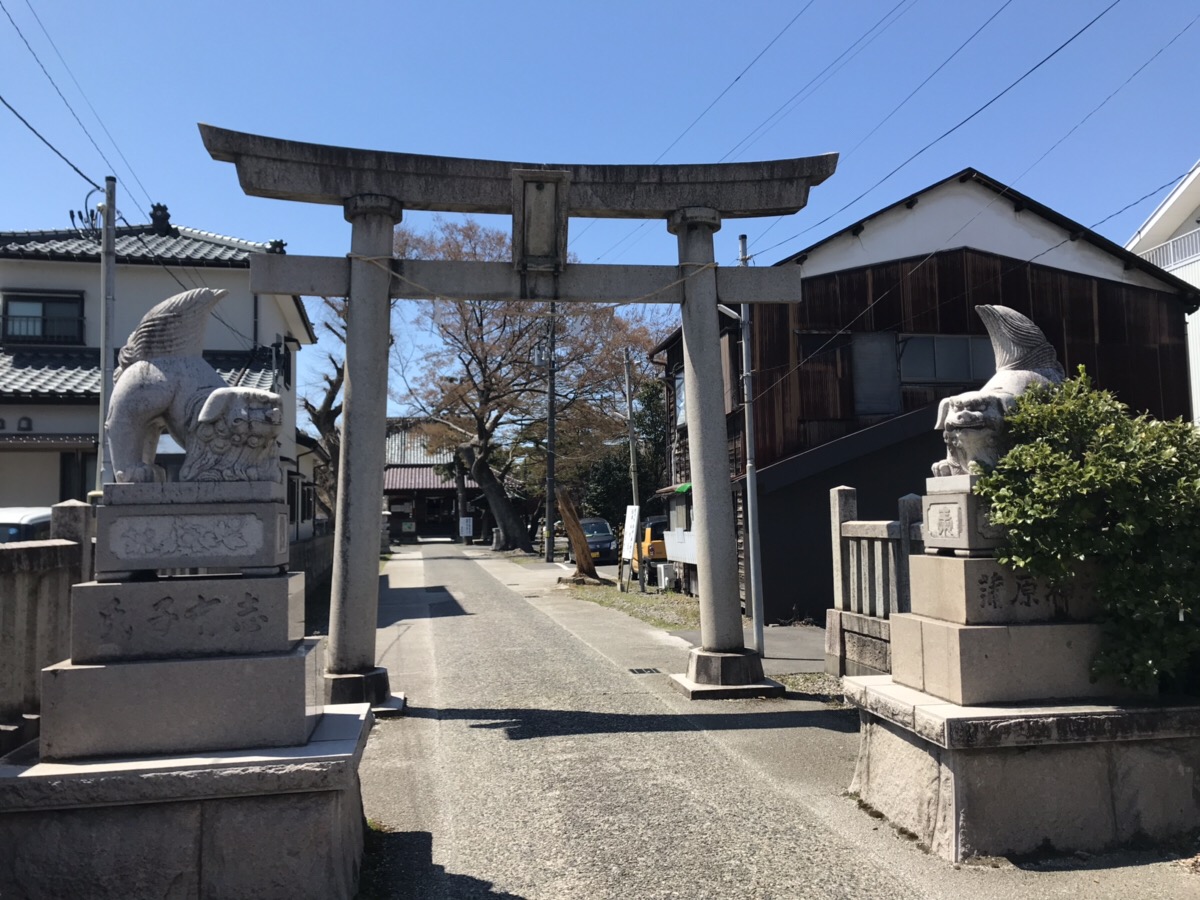
The Legacy of Wood, Space, and Impermanence
The ancient Japanese approach to ritual space offers a powerful counter-narrative to the tradition of sacred geometry in Greek temples, where stone, mathematical proportion, and optical refinements express an ideal of permanent, rationalized perfection. In the Shintō context, by contrast, the material of choice is wood, deliberately left to weather into silver-gray softness, and the aesthetic principle is wabi-sabi, the beauty of imperfection, transience, and humble naturalness. A Greek temple stuns the visitor with its timeless, marble assertion of order over chaos; an Ise shrine moves the heart by promising to disappear and return, again and again, in a rhythm that mirrors the seasons. Both traditions grapple with the sacred, but their spatial languages could scarcely be more different: one carves a static image of eternity, the other frames a living, breathing process.
This distinct philosophy has profound implications for how ancient sites are maintained, a challenge that echoes the themes of conservation of medieval cathedrals. In Europe, the conservation of great stone cathedrals often involves freezing a building in its most perfected historical moment, arresting decay through modern engineering. The shikinen sengū at Ise, however, proposes a radical alternative: preservation through periodic complete replacement. The skills, the tools, the precise dimensions, and the rituals are transmitted from one generation of master carpenters to the next, keeping not the fabric but the knowledge and the intent permanently alive. Ancient Japanese ritual spaces, therefore, are not static relics but living traditions that constantly interrogate our relationship with time, decay, and the very nature of authenticity—asking what is holier: the original timber that rots, or the unchanging form that rises again with new wood and a fresh spirit.