Conservation of Medieval Cathedrals
 Editorial
- 25 Jul, 2026
The Enduring Legacy of Stone and Light
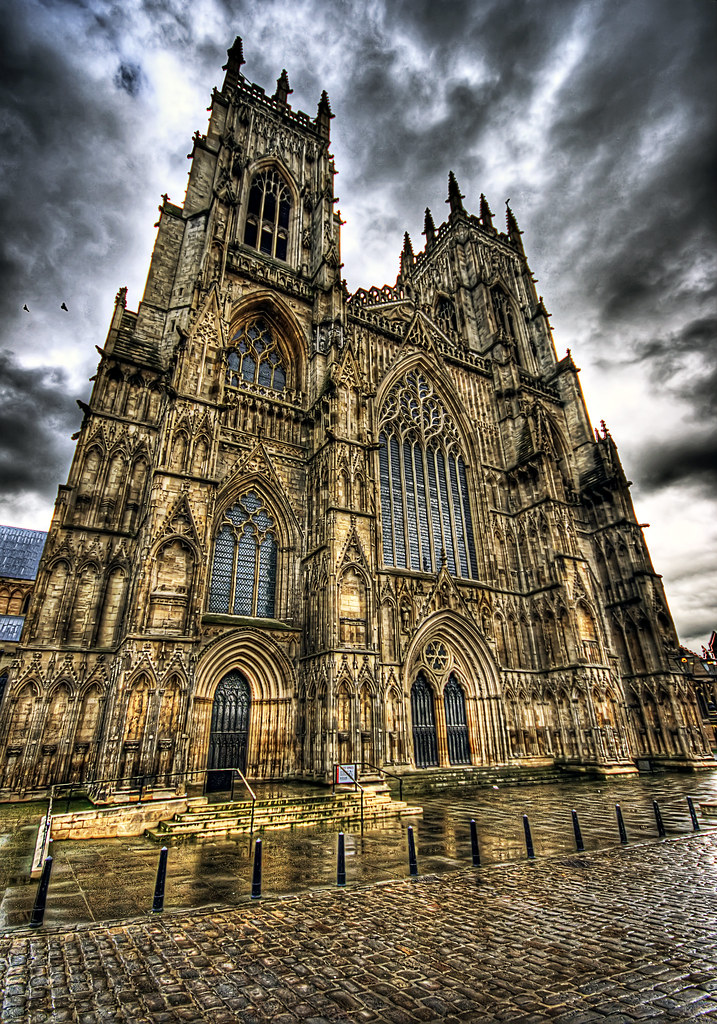
Medieval cathedrals are far more than sacred spaces; they are towering manifestos of human ambition, carved from stone and illuminated by faith. Erected between the 11th and 15th centuries, these colossal structures—Notre-Dame de Paris, Canterbury Cathedral, Cologne’s Dom, and countless others—embody the zenith of Gothic engineering, where rib vaults, flying buttresses, and vast rose windows coalesced into an unprecedented verticality. They were built not merely as houses of prayer but as microcosms of the celestial city, where earthly communities poured their collective genius, labor, and devotion into a single transcendent goal. Yet for all their apparent permanence, these stone titans are profoundly vulnerable. Every passing season deposits a microscopic toll: wind-carved erosion, acidic rain, the relentless crystallization of salts, and the slow embrace of moss and mold. Their conservation is a meticulous dialogue between ancient craft and modern science, where a single misstep can erase centuries of history, and every careful intervention writes a new chapter in the building’s biography.
Today, the conservation of medieval cathedrals demands an integrated approach that marries art history, materials science, structural engineering, and environmental monitoring. It tackles everything from the friable limestone of Reims to the iron-reinforced spires of Rouen, from the painted saints on plaster to the delicate dance of light through 800-year-old stained glass. This work is not a one-off campaign but a perpetual pact with time, one that has been fundamentally reshaped by climate change, mass tourism, and evolving philosophical frameworks about what authenticity truly means. Understanding this field requires walking through the cathedral’s anatomy, uncovering the hidden mechanisms of decay, and exploring the painstaking techniques that allow these “bibles of stone and light” to speak to future generations.
Pillars of Civilization: Why Cathedrals Matter
The medieval cathedral was the engine of urban life, a place where the mundane and the divine intersected daily. Its construction engaged entire cities for decades or even centuries: master masons set the geometry, quarrymen extracted the stone, carters hauled vast blocks through muddy streets, glaziers painted biblical narratives in glass, and unskilled laborers raised timber scaffolding. The resulting edifice was a repository of communal identity and local pride, often towering above the surrounding hovels as a declaration of civic and spiritual aspiration. Inside, guilds maintained side chapels, merchants negotiated contracts in the nave, and pilgrims shuffled past reliquaries, leaving behind a patina of wax, incense smoke, and the oil of countless hands.
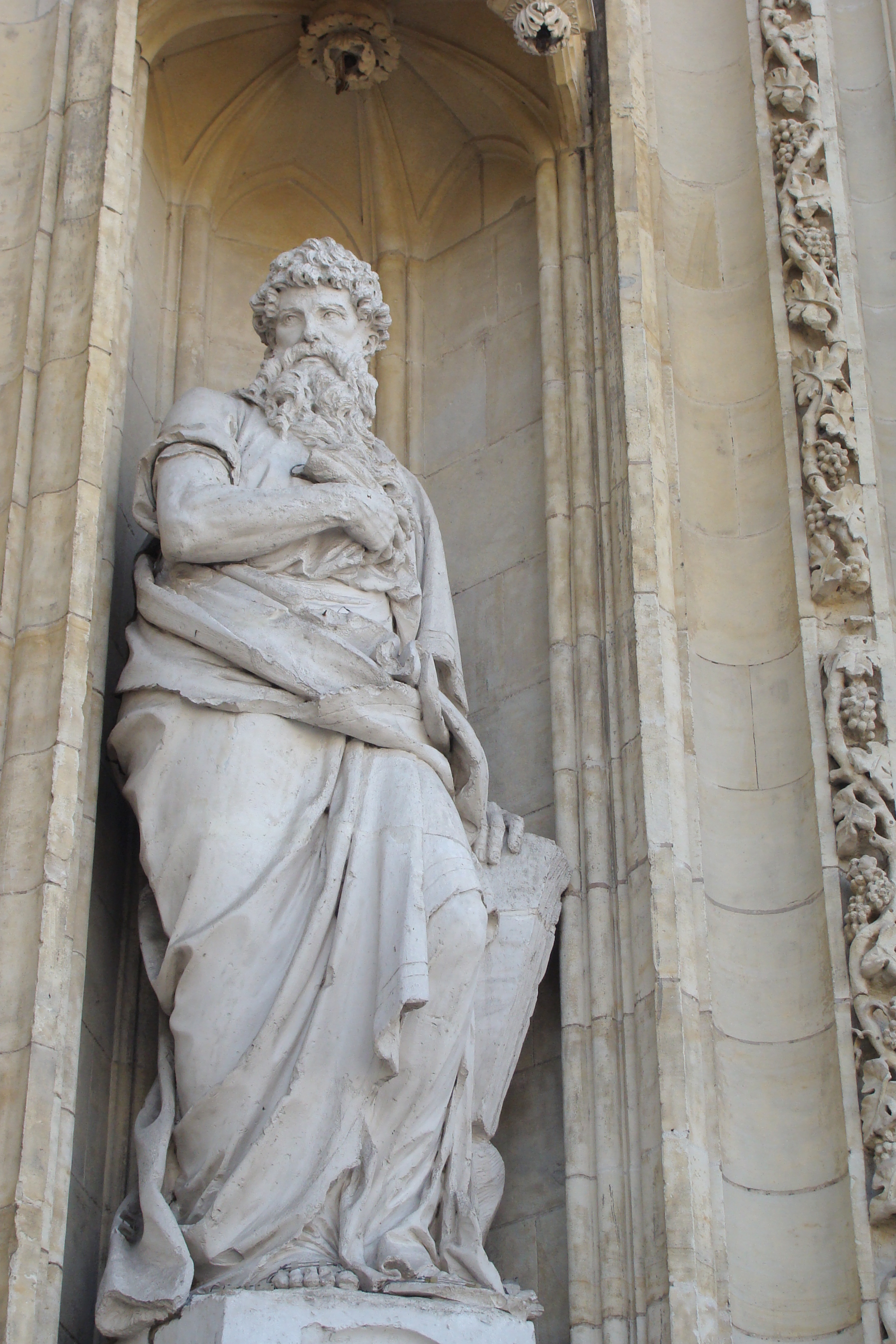
Culturally, these buildings function as multi-layered manuscripts in stone. The sculptural programs adorning portals—the tympanum of Bourges Cathedral’s Last Judgment, for example—were didactic tools for a largely illiterate populace, compressing complex theological narratives into legible imagery. The evolution of architectural fashion is legible in every arch and pier: the transition from heavy Romanesque mass to airy Gothic lightness, then to the flamboyant tracery of the 14th and 15th centuries. For modern historians and conservators, every trace is significant. The scratches left by pilgrims in the crypt of Chartres, the medieval graffiti on Whalley Abbey, the faint remnants of original polychromy on a Caen stone capital—all are irreplaceable data points. Losing a cathedral through neglect or misguided restoration would mean tearing pages from a unique record of European culture, technology, and belief.
The Anatomy of Decay: Threats to Medieval Stone
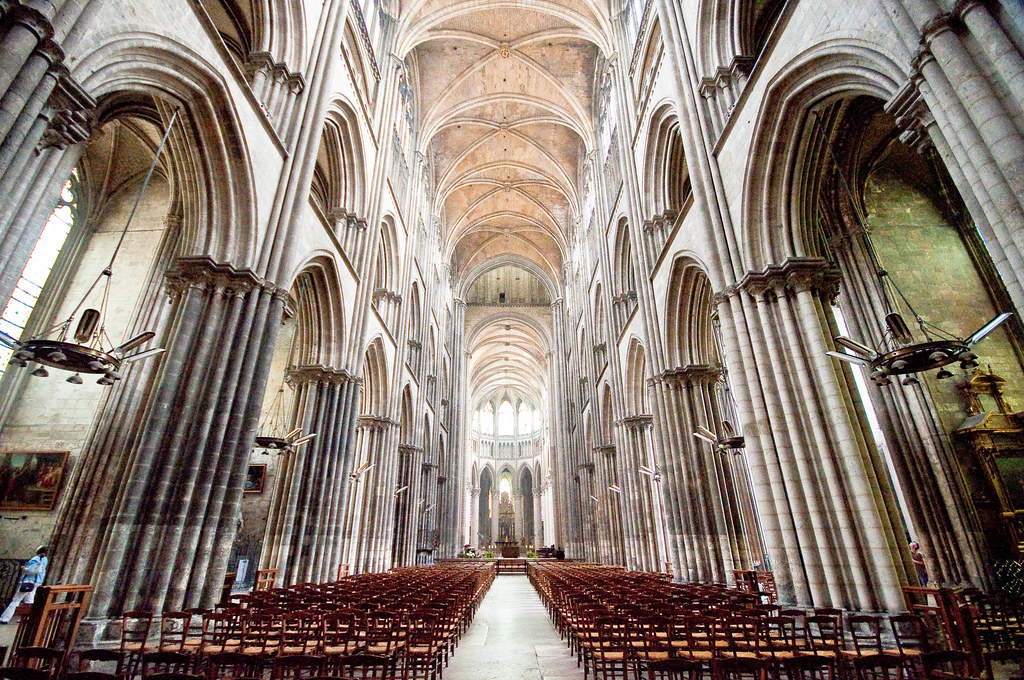
Stone may seem immutable, but the limestones, sandstones, and granites used in cathedrals are dynamic systems under constant assault. The primary culprit is water in all its forms. Rain erodes exposed carvings and cornices; in colder climates, trapped moisture freezes and expands within pores, exfoliating surfaces like an onion skin. Capillary action draws groundwater upward into walls, dissolving and redepositing salts. When those salts crystallize—often within a millimeter of the surface—they generate pressures capable of shattering even the densest ashlar. The visual signature is often a white, fluffy efflorescence or the more severe subflorescence that pushes stone grains apart from within.
Atmospheric pollution hugely accelerates the destruction. Sulphur dioxide from industrial emissions and vehicle exhaust reacts with calcium carbonate in limestone to form gypsum (calcium sulphate dihydrate). This black, brittle crust obscures fine detail and traps particulates, but its greatest danger lies in its differing thermal expansion coefficient: it peels away from the clean stone beneath, taking a thin layer of the original surface with it. Nitrogen oxides contribute to acid rain that directly dissolves carvings. Meanwhile, biological colonisers—cyanobacteria, algae, lichens, and mosses—secrete organic acids and hold moisture against the stone. In damp northerly faces, you can often see a greenish biofilm that accelerates the decay of even the hardest masonry.
Structural movements impose macro-scale fissures. Differential settlement of foundations, often built on medieval rubble or shallow footings, can cause walls to lean or crack over centuries. Vibrations from nearby traffic, metro tunnels, or even helicopter tours create fatigue that widens existing fractures. A particularly insidious example was the 2019 Notre-Dame fire, where the collapse of the timber spire and roof caused the stone vaulting to fail in multiple bays, releasing centuries of locked-in stresses. Even benign changes like rising tourist numbers bring their own mechanical erosion: floor tiles and door thresholds wear smooth under millions of footsteps, while the fugitive humidity and carbon dioxide exhaled by visitors in a crowded crypt can spike the microclimate, triggering rapid salt activation.
Cleaning Without Scars: Approaches to Surface Purification
Cleaning is often the first and most visually dramatic conservation intervention, but it is fraught with risk. The goal is not to return the stone to a quarry-fresh whiteness—an aesthetic that is historically false and can remove protective patinas—but to remove harmful deposits while preserving all surviving original surfaces. Mechanical cleaning, using soft brushes, scalpels, and micro-sandblasting, offers fine control but is labour-intensive and can scour fragile stone if misapplied. A modern refinement is the Jos or particle-spray technique, which fires very fine powders such as aluminum silicate or crushed walnut shells at low pressure, gently eroding gypsum crusts without damaging sound stone.
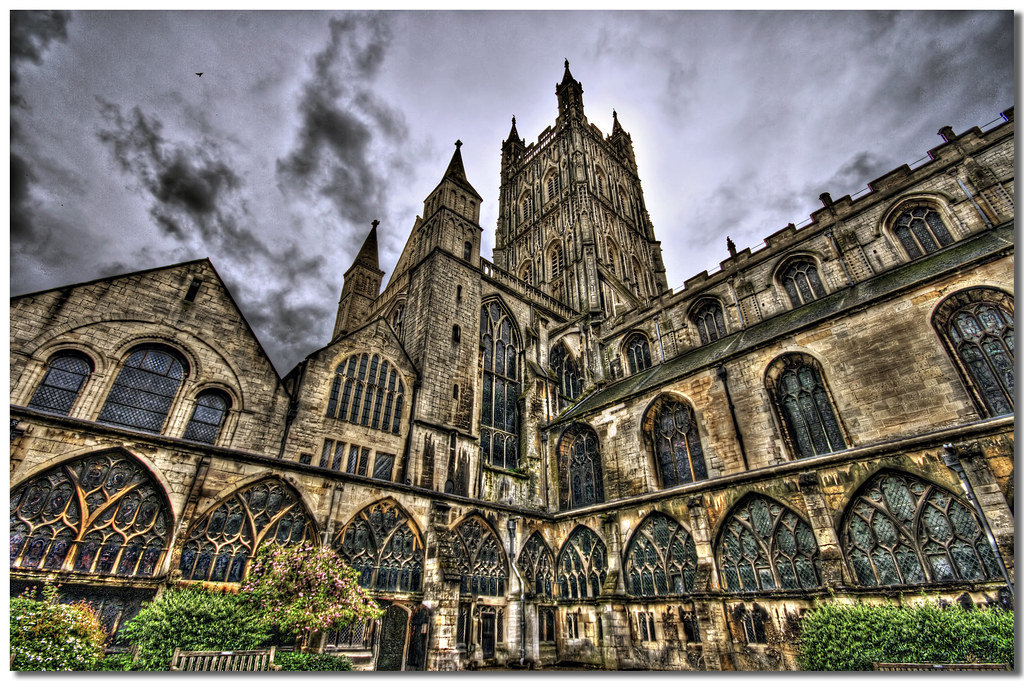
Chemical methods rely on poultices or gels applied directly to the surface. For gypsum crusts, conservators often use ammonium carbonate solutions, which convert the gypsum back into a soluble form that can be rinsed away. Poultices of sepiolite clay or cellulose pulp are soaked in the reagent, applied over an area, and covered with plastic film to dwell for hours or days. This pulls the dissolved salts into the poultice as it dries, minimising re-deposition. Biocidal washes target microbial growth; quaternary ammonium compounds or, increasingly, essential oils such as oregano or tea-tree oil, can kill algae and lichens without the toxic legacy of earlier heavy-metal biocides. Each chemical application is preceded by rigorous patch-testing, as the porosity and mineral composition can vary dramatically even across a single block.
One of the most transformative tools in the conservator’s arsenal is the laser. A Q-switched Nd:YAG laser operating at 1064 nm can vaporise dark, sulfated crusts layer by layer, while leaving the lighter, underlying stone virtually untouched. The beam’s short pulse duration (nanoseconds) means the energy is absorbed by the crust, which ablates, while the stone underneath barely warms. This technique has been used spectacularly on the west front of Notre-Dame de Paris and the delicate traceries of Amiens Cathedral, where water or abrasive methods would have caused unacceptable loss. Laser cleaning is, however, painfully slow and expensive, often reserved for the most valuable sculptural elements. In all cases, the guiding principle is minimal intervention: conservators aim to leave a visually coherent surface that clearly shows the mark of time, without accelerating future decay.
Binding the Crumbs: Consolidation of Decayed Stone
When stone has lost its cohesive matrix—becoming friable, sugary, or honeycombed—cleaning alone is insufficient. Consolidation seeks to reintroduce a binding agent into the pore structure to restore mechanical strength and halt granular disintegration. The classic material is ethyl silicate (TEOS, tetraethoxysilane). Applied as a liquid, it penetrates deeply, and in the presence of moisture it hydrolyses into a silica gel that cements the stone grains together. Because its silicon-oxygen backbone is chemically similar to many silicate minerals, it is broadly compatible and has no colour upon curing. The penetration depth, typically a few centimetres, is critical: a too-superficial treatment can create a hard crust over weak substrate, leading to catastrophic spalling. Application is usually by capillary soaking, with low-viscosity formulations that seep into the tiniest fissures.
For limestones, an alternative consolidant with a closer chemical affinity is nanolime—suspensions of calcium hydroxide nanoparticles in alcohol. When carbonated by atmospheric CO₂, these nanoparticles transform back into calcium carbonate, the original mineral of the stone. This offers a truly compatible bridge, re-establishing intergranular bonding without introducing foreign elements. Nanolime is especially promising for frescoed surfaces and finely carved marble, though its low initial penetration remains a subject of active research. In cases where the stone contains active clays that swell with moisture, a different strategy is needed: consolidants may be combined with water-repellent treatments (alkyl-alkoxysilanes) that allow vapour to escape while repelling liquid water. However, these treatments are controversial because they can drive moisture to adjacent untreated zones, accelerating decay there. Every cathedral thus demands a bespoke consolidation strategy informed by petrographic analysis, moisture mapping, and on-site trials.
Beyond Stone: The Orchestra of Glass, Timber, and Metal
A cathedral is a composite structure, and its conservation must address every material in concert. Medieval stained glass is an extraordinary survival; the deep blues and ruby reds we see today in the windows of Chartres (c. 1200) or the Sainte-Chapelle in Paris are the product of centuries of light transmitting through metallic oxides. The glass itself is chemically unstable: potassium and calcium ions leach out, reacting with atmospheric moisture to form a corrosive alkaline film that pits the surface. In extreme cases, a glass pane can become opaque and weeping. The lead cames that hold the fragments are subject to plastic creep and fatigue, sagging under their own weight over decades. Conservation of a fine window involves meticulous records, careful removal in controlled conditions, gentle cleaning with deionised water, edge-bonding of cracked fragments with epoxy resins, and re-leading on a full-size tracing. Each completed panel may then be placed in a protective, isothermal glazing system set slightly outward from the original, creating a buffer zone that shields it from condensation and thermal shock.
The vast timber roof structures—often called “the forest” for their dense complexity—are works of engineering art in their own right. The roof of Reims Cathedral, destroyed in World War I, was a mighty web of oak timbers spanning over the vaults, chemically darkened by centuries of smoke and candle soot. Fire is the eternal enemy: the 2019 Notre-Dame disaster consumed 800-year-old beams that can never be replaced like-for-like, because they came from ancient oak forests long gone. Meanwhile, iron cramps and tie-rods, embedded in stone during original construction or later restorations, corrode over time. As rust expands to many times the volume of the original iron, it acts like a slow jack, splitting stone ashlar from within. Replacing these with stainless steel or titanium, or stabilizing the original iron with phosphate washes, is delicate surgical work that must not alter the structural equilibrium. All these materials—stone, glass, wood, iron—constitute the cathedral’s “life support,” and their conservation must be integrated, not piecemeal.
Structural Monitoring: The Cathedral as a Living Organism
Contrary to popular belief, a cathedral is never static. Its walls breathe with seasonal humidity, its piers tilt by fractions of a millimetre, and its bells set the tower into a gentle vibration. Modern conservation relies on long-term monitoring to distinguish harmless cyclical movements from ominous trends. Crack meters, often simple glass tell-tales or more precise LVDT sensors, are fixed across fissures to track their opening and closing. Tiltmeters in the masonry detect rotational movements that might indicate foundation settlement. Networks of prism targets allow robotic tot displacements across an entire facade with sub-millimetre precision. In Cologne, a laser-based monitoring system constantly checks the alignment of the twin spires, while at St Paul’s in London, vibrating-wire strain gauges embedded within the core of the masonry record the real-time load transfer. These data streams feed into finite-element computer models that simulate the cathedral’s behaviour under wind, snow, and seismic loads, helping engineers predict vulnerabilities before a crack becomes a crisis.
Where active reinforcement is essential, the principle of minimal intervention and reversibility dominates. Traditional tie-rods—massive wrought-iron bars across the nave arcade—have been refined with hydraulic tensioning systems that can be adjusted as the building moves. Micro-piling and compaction grouting can stabilise sinking foundations without disturbing medieval crypts above. Carbon-fibre reinforced polymer (CFRP) straps, bonded with epoxy, can be concealed within the thickness of a vault to provide tensile strength, though their long-term compatibility is still under scrutiny. The goal is always to repair with materials that defer to the original fabric, allowing future generations to reverse or modify the intervention as knowledge evolves.
The Human Tide: Managing Tourism, Vandalism, and Community
Mass tourism presents a paradox: it provides both the revenue and the damage. Cathedrals like St. Peter’s or Sagrada Família (a modern building invoking medieval spirit) receive millions of visitors annually; even smaller gems like Wells or Ely can be overwhelmed by coaches. The constant opening and closing of doors creates drafts and humidity swings. Dust and fibres from clothing settle on carvings and glass. Floors wear into ruts. Unchecked, flash photography can cumulatively affect sensitive pigments, though modern LED guidelines are less damaging. Managing this involves timed ticketing, one-way routes, protective floor mats, and, increasingly, virtual queuing. At Canterbury, visitor numbers are carefully calibrated, and sensitive areas like the Trinity Chapel with Thomas Becket’s shrine require special booking. Woven sisal carpets protect worn Purbeck marble pavements while allowing them to breathe.
Deliberate vandalism, such as graffiti carved into limestone, is a heartbreaking reversal of the original stonemason’s marks—a contemporary defacement that can be chemically removed or laser-ablated, but often leaves a ghost. Cathedrals are also soft targets for terrorism; the 2019 fire was an accident, but the shockwave renewed urgent discussions about security and fire suppression. The guardians of these buildings are now collaborating with fire services to install dry risers, smoke detection, and compartmentation that respects the historic fabric. Crucially, the local community remains the cathedral’s most invested custodian. Volunteer “stone watchers” at Lichfield, or the Friends of Durham Cathedral, act as eyes and ears, reporting new cracks or water ingress. Public engagement—through open workshops, conservation in action displays, and crowd-funding campaigns for specific projects (like the recent £11 million effort to save the Great East Window of York Minster)—reinforces the shared ownership of this heritage. A cathedral without its community is a museum; with it, it remains a living entity.
Philosophy and Ethics: The Limits of Restoration
Every conservation act is a cultural decision as much as a technical one. The influenti established that restoration must stop where conjecture begins, and that any new work should be distinguishable from the original. Yet these strictures are constantly tested. The catastrophic fire at Notre-Dame de Paris ignited a global debate: should the spire be reconstructed exactly as Eugène Viollet-le-Duc had built it in the 19th century, or should a contemporary design reflect our own era? The French decision to adhere strictly to the pre-fire state—rebuilding with oak from sustainably managed forests, using traditional axes, and re-smelting lead—was a victory for historical integrity, but it also re-ignited questions about purism versus evolving life. In contrast, the rebuilding of the Frauenkirche in Dresden after World War II used modern brick and stone, with fragments of the original rubble clearly visible in the new walls, a haunting testament to destruction and hope.
The concept of “reversibility” is a cornerstone: every consolidant, every pin, every cementitious repair should theoretically be removable without harming the original fabric. In practice, reversibility is often a myth—ethyl silicate cannot be extracted once polymerised—so the emphasis has shifted to “compatibility” and “retreatability.” The choice of mortars is telling. Hard Portland cement, used in 20th-century restorations, trapped moisture and spalled the adjacent soft medieval stone. Today’s mortars are formulated with lime putty and local aggregates, calibrated to have lower compressive strength and higher vapour permeability than the stone they bind. If cracks re-form, the mortar fails sacrificially, sparing the original material. This philosophy, known as “soft” or “sacrificial” conservation, is a humble admission that the building will outlive us, and our interventions are merely temporary custodianship.
The Climate Crisis and the Road Ahead
Climate change is no longer a distant projection; it is an active agent of decay. More intense rainfall events overwhelm historic drainage systems, causing sudden water ingress through stonework. Warmer, wetter winters encourage lush biological growth on north-facing parapets. Extreme heatwaves can cause differential thermal expansion that opens up new micro-cracks. In coastal cathedrals like Winchester, rising salt-laden groundwater threatens crypts and foundations. Conservators now integrate climate modelling into their long-term management plans, projecting which facades will become more vulnerable to wedge-failures or algal blooms. Adaptive measures include upgrading rainwater goods—often replacing corroded cast iron with discreetly designed stainless steel or lead—and applying sacrificial lime renders that can be renewed without touching the stone beneath.
Scientific innovation continues to accelerate. Portable X-ray fluorescence (XRF) and Raman spectroscopy allow conservators to identify pigments, salts, and corrosion products in situ, without sampling. Drones equipped with high-resolution and thermal cameras survey inaccessible heights, revealing detached ribs or moisture anomalies behind tracery. Three-dimensional digital twins, generated by photogrammetry and LiDAR scanning, provide an exact baseline for future comparisons and can guide robotic repair in hazardous areas. The Universities of Oxford and Cambridge maintain dedicated stone decay laboratories, experimenting with novel consolidants. Yet every tool must be wielded with restraint. The ultimate goal, articulated by the Society for the Protection of Ancient Buildings (founded by William Morris in 1877), is to “stave off decay by daily care,” not to transform the cathedral into a sterile replica. In this endless, loving battle, the conservation of a medieval cathedral is not about defeating time but about negotiating an honourable truce, preserving the voice of the past in the chorus of the present.