Fanefane Journal
A peer-reviewed journal of sacred architecture
Fanefane Journal is a peer-reviewed digital publication devoted to the multidisciplinary study and interpretation of humanity’s sacred spaces. Through research articles, critical essays, and scholarly reviews, we investigate how diverse civilizations have conceived, constructed, and preserved their temples, shrines, sanctuaries, and ritual sites. Our approach draws together archaeology, art history, architectural theory, and anthropology, and we actively foster dialogue with related fields such as archaeoastronomy, heritage conservation, and religious studies. By integrating these perspectives, we aim to uncover the layered meanings—material, symbolic, and cosmic—that such monuments embody. We welcome contributions from established scholars, graduate students, and independent researchers, and we hope to engage anyone fascinated by the spiritual and artistic legacy of past cultures. In the pages that follow, we invite you to browse our thematic sections, read our latest findings, and explore the intricate narratives written in stone, light, and space.
Thematic Explorations
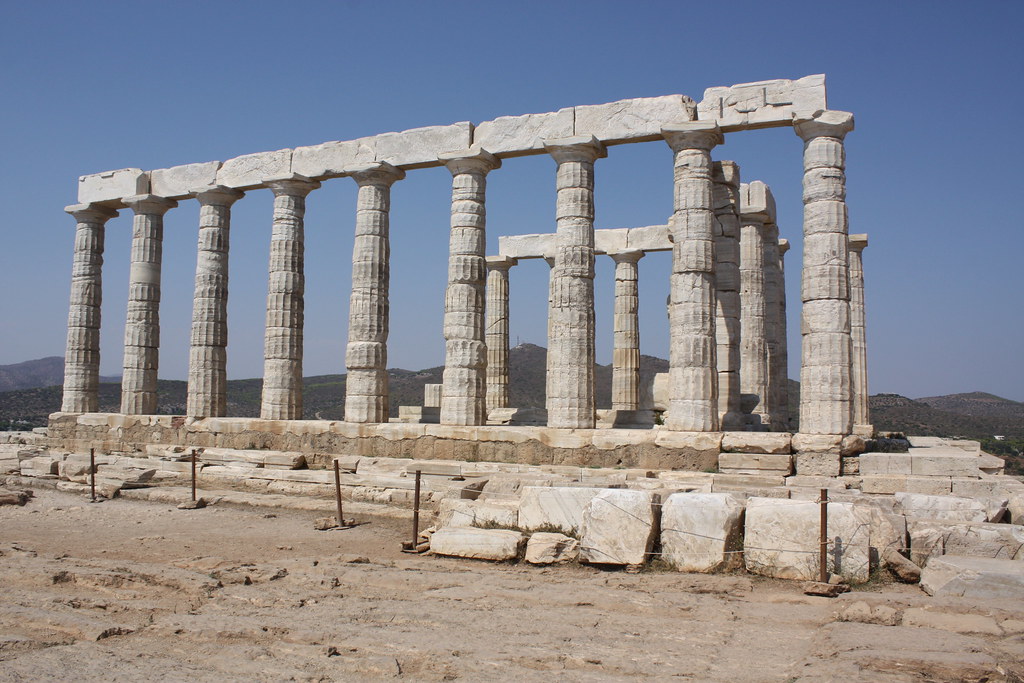
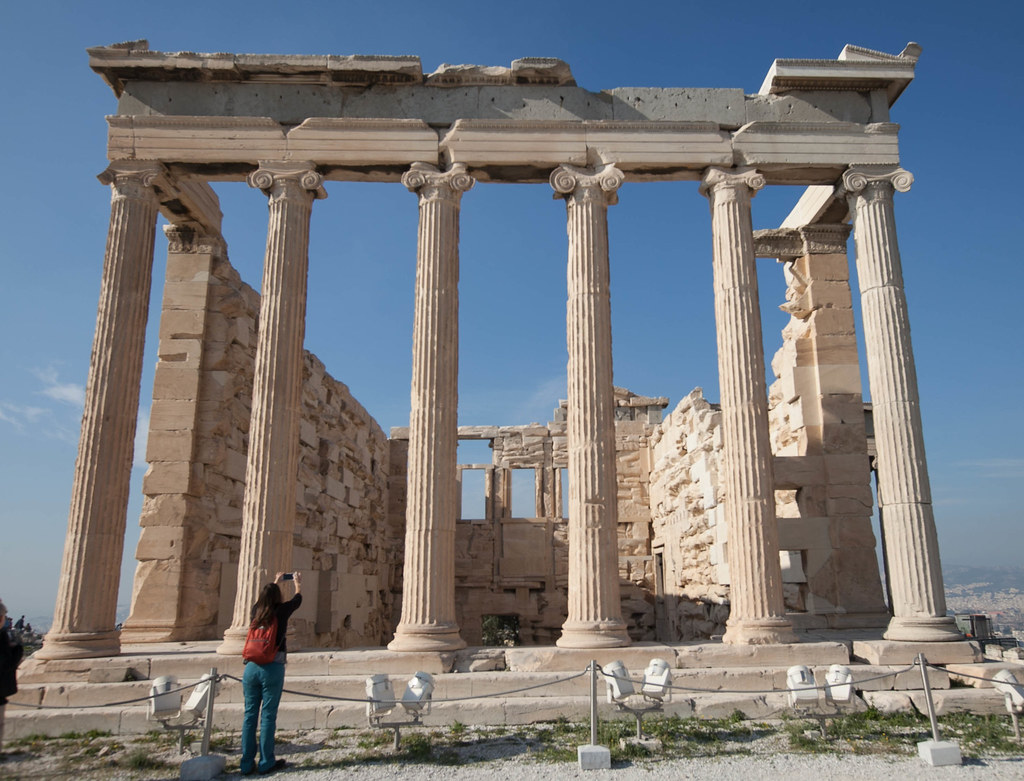
Every temple can be read as a concentrated expression of the worldview that brought it into being. In our feature The Sacred Geometry of Greek Temples, we examine how Hellenic architects applied mathematical proportions—often rooted in Pythagorean and Platonic thought—to mirror a divine order. From the Parthenon on the Athenian Acropolis to less visited peripheral sanctuaries, geometry was never merely aesthetic convention; it was conceived as a bridge between the measurable and the transcendent, a way of encoding harmony in colonnades and floor plans. The article traces the development of these proportional systems and their reception in later classical revivals, offering fresh insight into the philosophical underpinnings of Greek sacred architecture.
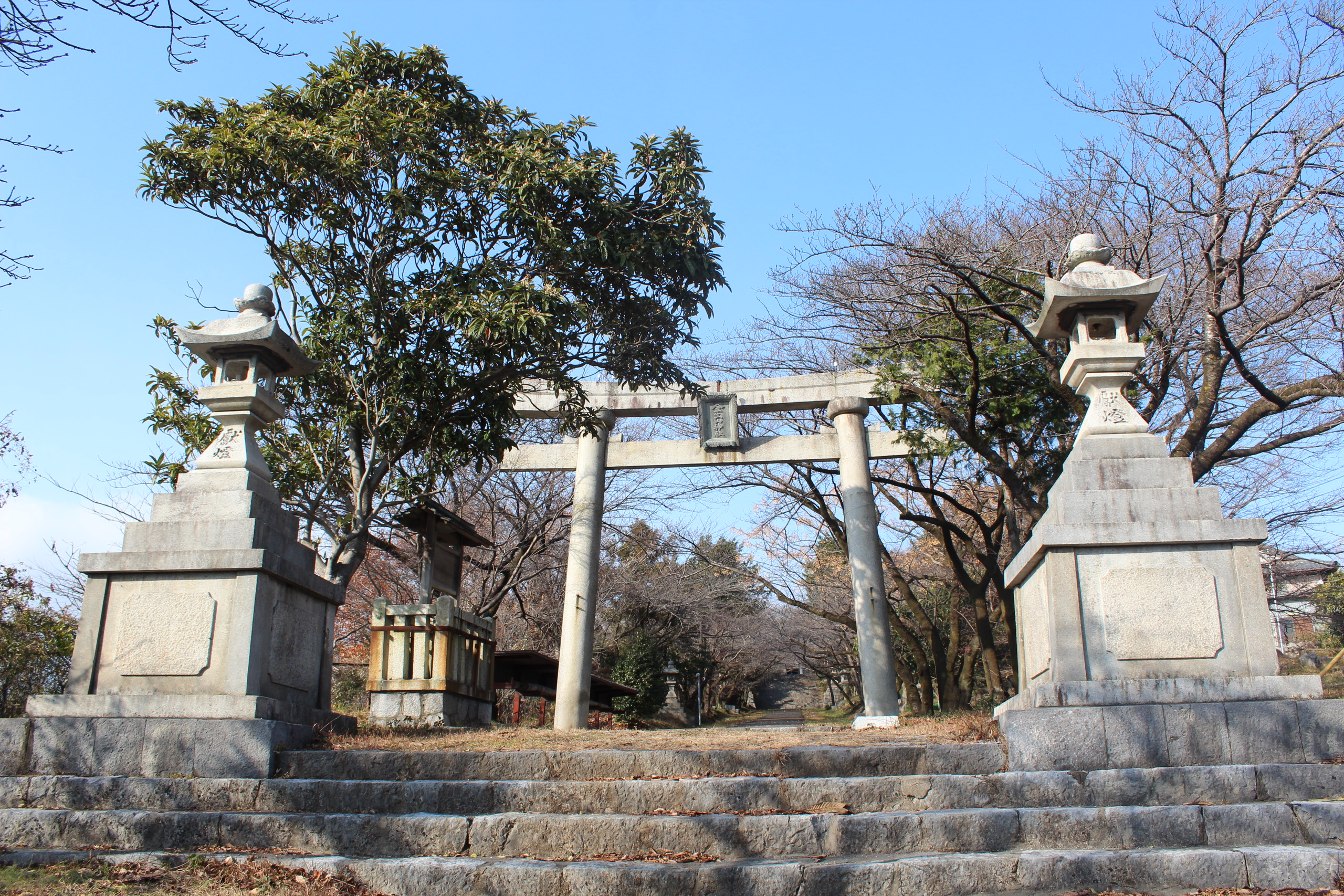
Shifting from the Mediterranean to East Asia, Ritual Spaces in Ancient Japan explores the deep synthesis of nature and built form that characterizes Shinto and Buddhist precincts. We analyze how topography, water, stone, and vegetation were woven into the design of pagodas, torii gates, and entire mountain sanctuaries. In these contexts, the boundary between architecture and landscape becomes porous, inviting a mode of contemplation still palpable at sites such as Ise Jingū or the temples of Kyoto. The piece reflects on how ritual choreography, seasonal festivals, and the patina of time contribute to the ongoing sacrality of these places, and what their study reveals about Japanese aesthetic and religious sensibilities.
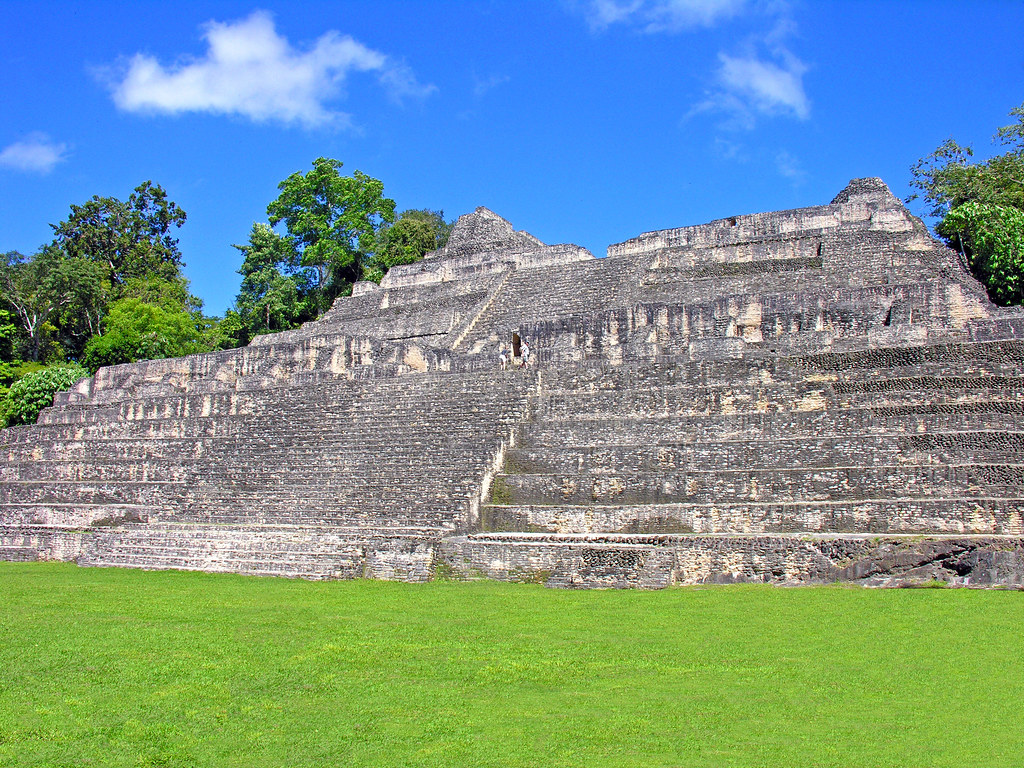
Archaeoastronomy provides yet another interpretive key, reminding us that ancient builders were often meticulous observers of the heavens. Mayan Temple Archaeoastronomy presents a detailed case study of how the Maya oriented their pyramids and ceremonial complexes to mark solstices, equinoxes, and the cycles of Venus, thereby integrating the sacred calendar into monumental stone. We discuss recent lidar surveys and horizon profiling that have illuminated the precision of these alignments, transforming our understanding of structures such as those at Chichén Itzá and Uxmal. These investigations demonstrate that for the Maya, temples functioned as true cosmic instruments—machines for tracking time and anchoring ritual in celestial events.
Recent Discoveries and Developments
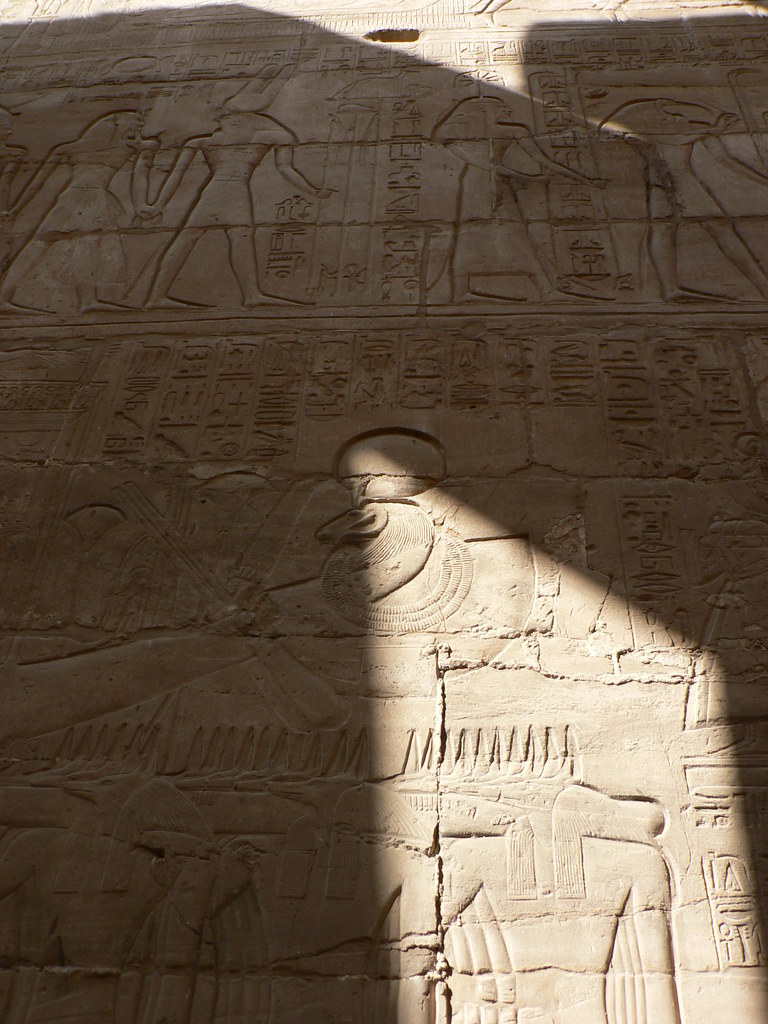
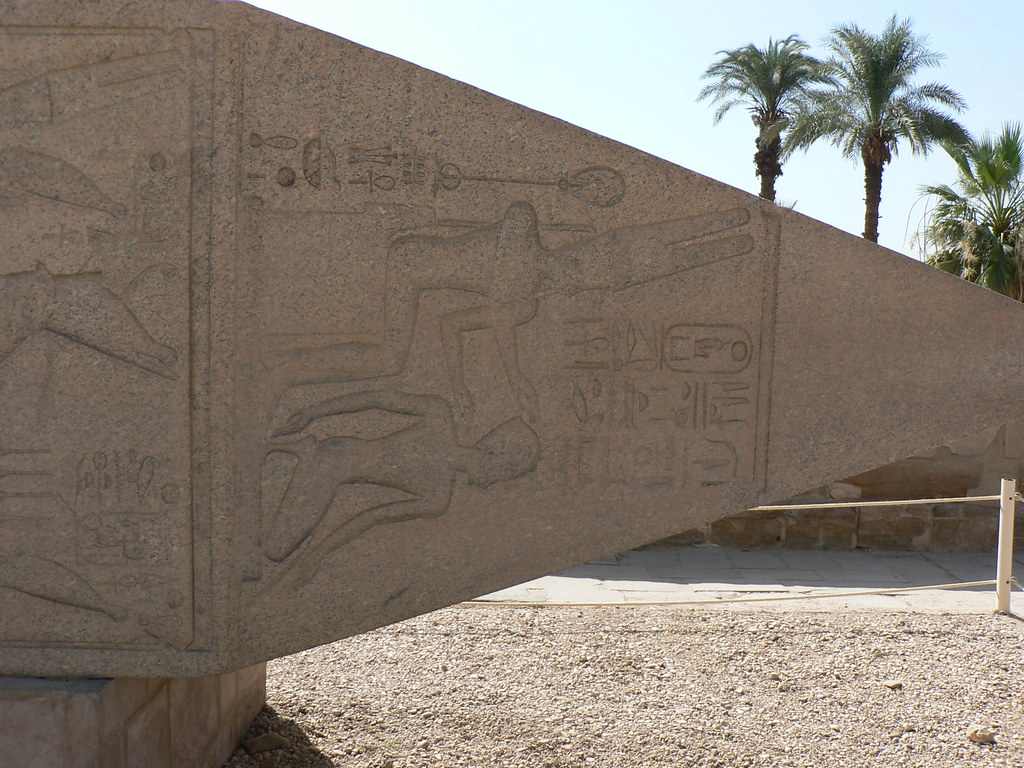
Fieldwork continues to reshape our grasp of even the most iconic religious sites. In Excavations at Karnak: New Findings, we report on the latest season’s work at one of the ancient world’s most expansive temple complexes. The precinct of Amun-Ra at Karnak has yielded new chapels, statuary fragments, and inscriptional evidence that refine the chronology of royal patronage and popular devotion spanning nearly two millennia. The article contextualizes these discoveries within the broader landscape of Theban ritual practice, addressing their implications for understanding the relationship between pharaoh, priesthood, and the divine.
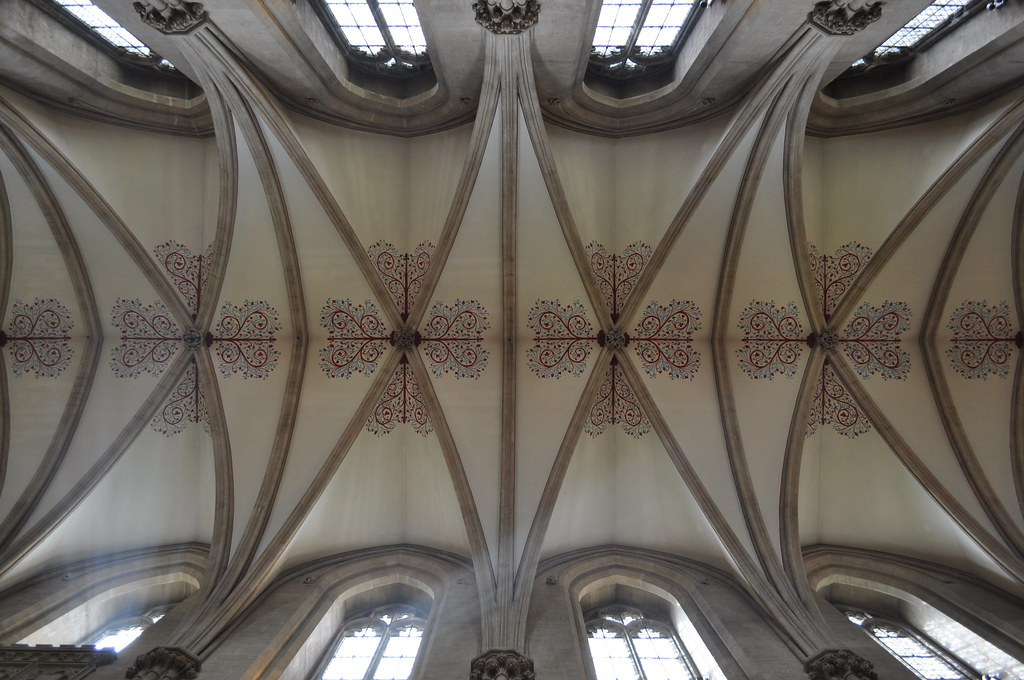
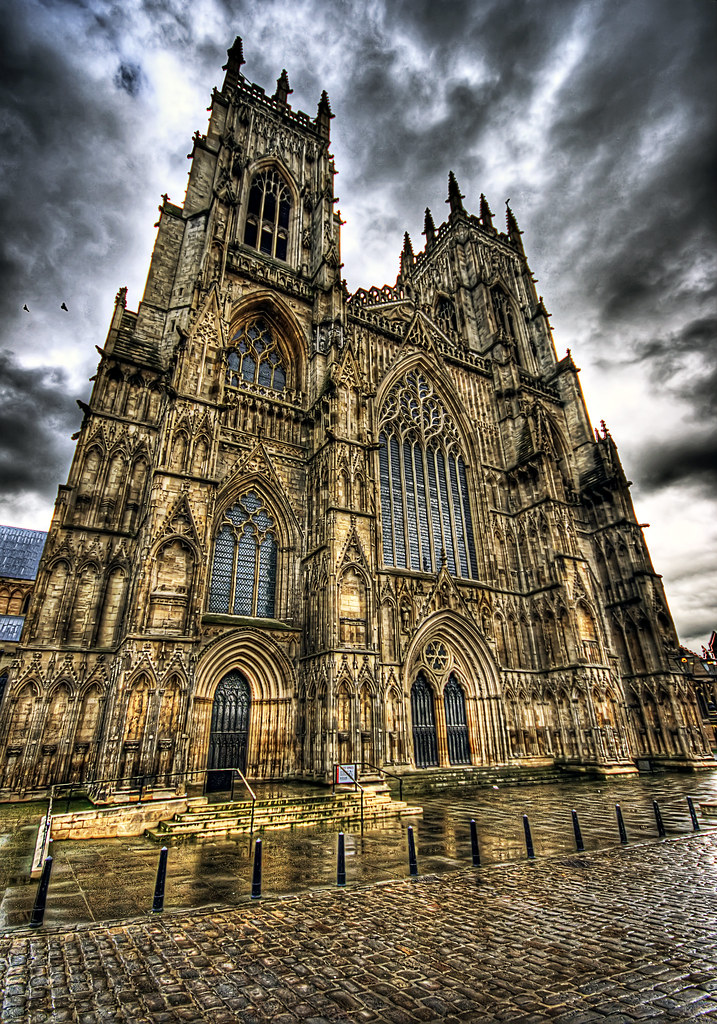
Concurrently, the preservation of sacred heritage presents urgent ethical and technical challenges. Conservation of Medieval Cathedrals analyses the dilemmas facing those entrusted with the care of Europe’s great Gothic churches. Through case studies ranging from Notre-Dame de Paris to lesser-known cathedrals in rural dioceses, we examine debates over authenticity, reversibility, and the role of modern materials. The piece weighs the imperatives of structural safety against the intangible values embedded in centuries-old stone, glass, and timber, arguing for a conservation philosophy that respects both material integrity and the living traditions these monuments sustain.
We also keep readers abreast of critical voices in the academic literature. Review: Monuments of Faith by J. A. Smith offers an assessment of a recent monograph that reopens the dialogue between theology and monumentality. Smith’s work engages with case studies from multiple continents, questioning how formal grandeur and deliberate simplicity each communicate the sacred. Our reviewer situates the book within current debates in material religion and heritage studies, highlighting its strengths and areas where the argument might be pushed further.
A Meeting Place
Fanefane Journal is more than a repository of articles; we aspire to foster a vibrant intellectual community for all who share a deep curiosity about the world’s sacred patrimony. Our sections are curated to encourage slow reading and sustained reflection, and we particularly welcome interdisciplinary and comparative submissions that transcend regional or chronological boundaries. To learn more about our editorial vision and the scholars who contribute their expertise, please visit About the Journal. Should you have a proposal, a commentary on recent research, or simply a question, we warmly encourage you to reach out through our Contact page. Your voice can help shape the conversation as we continue to map the manifold ways humanity has sought to make space for the divine.
Below is a selection of featured content available for your exploration:
- The Sacred Geometry of Greek Temples — The golden ratio and the design principles of Hellenic temples.
- Ritual Spaces in Ancient Japan — Nature and architecture in dialogue at Japanese shrines.
- Conservation of Medieval Cathedrals — Techniques and challenges in preserving Europe’s Gothic heritage.
- Excavations at Karnak: New Findings — The latest news from the heart of pharaonic Egypt.
- Mayan Temple Archaeoastronomy — How the Maya aligned their temples with the cosmos.
- Review: Monuments of Faith by J. A. Smith — A critical assessment of a new work on faith and monumentality.
 Editorial
- 31 Jul, 2026
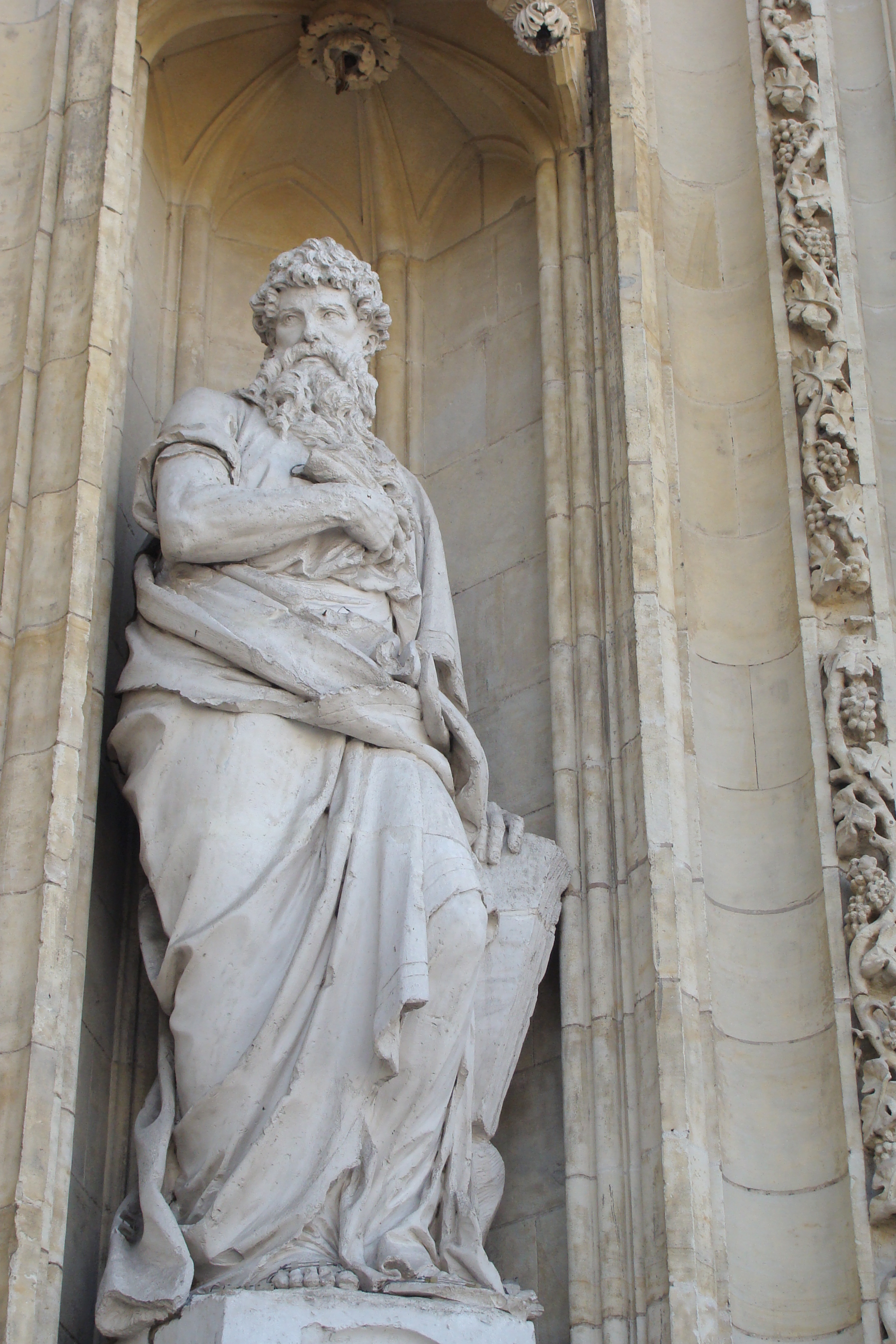
The Sacred Geometry of Greek Temples
The Philosophical Foundations: Number as the Essence of Being In classical Greece, geometry was not merely a practical tool for land measurement or construction; it was a path to transcendent knowledge. The Pythagorean s
- Editorial
- 28 Jul, 2026
Ritual Spaces in Ancient Japan
The Animistic Landscape: Nature as Sanctuary Long before carpenters raised the first wooden shrines, the Japanese archipelago itself was a vast ritual space. Mountains, waterfalls, strangely shaped rocks, and ancient tre
- Editorial
- 25 Jul, 2026
Conservation of Medieval Cathedrals
The Enduring Legacy of Stone and Light Medieval cathedrals are far more than sacred spaces; they are towering manifestos of human ambition, carved from stone and illuminated by faith. Erected between the 11th and 15th ce
- Editorial
- 22 Jul, 2026
Excavations at Karnak: New Findings
A Monumental Complex Shaped by Millennia To grasp the significance of the new discoveries, one must first understand Karnak’s timeline. The earliest structures date to the Middle Kingdom, around 2000 BCE, when Pharaoh Se
- Editorial
- 19 Jul, 2026
Mayan Temple Archaeoastronomy
The Foundations of Maya Archaeoastronomy The Maya developed one of the most advanced astronomical systems of the ancient world, meticulously recorded in surviving bark-paper codices like the Dresden Codex. Within its pag