Excavations at Karnak: New Findings
 Editorial
- 22 Jul, 2026
A Monumental Complex Shaped by Millennia
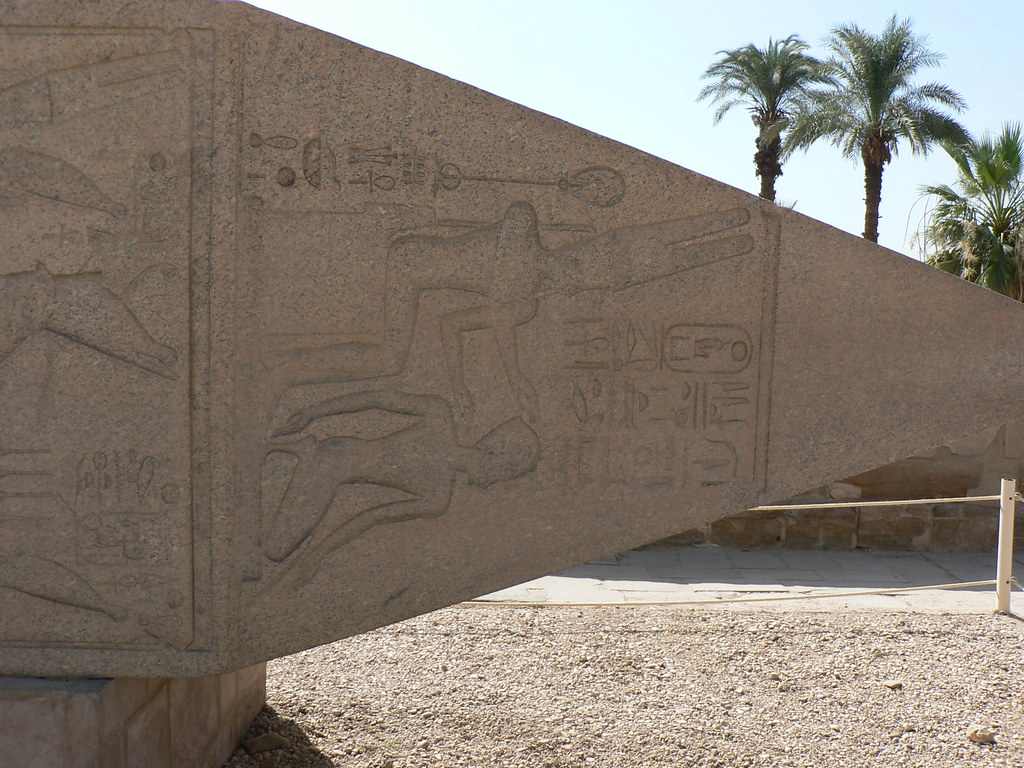
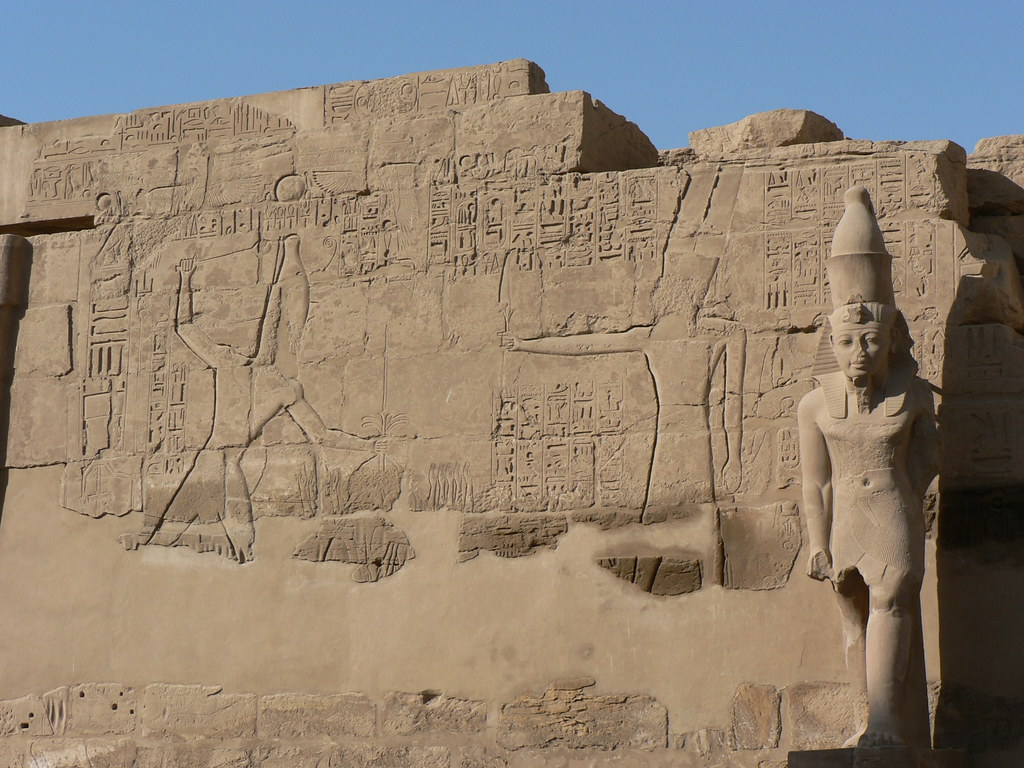
To grasp the significance of the new discoveries, one must first understand Karnak’s timeline. The earliest structures date to the Middle Kingdom, around 2000 BCE, when Pharaoh Senusret I erected a modest limestone sanctuary. That kernel was progressively enveloped by grander works: the 18th‑Dynasty rulers added soaring obelisks and the processional colonnade, while the 19th‑Dynasty pharaohs, notably Seti I and Ramesses II, bequeathed the Hypostyle Hall with its 134 immense sandstone columns. Even in the Ptolemaic period, builders were still tinkering with gateways and sanctuaries, long after Alexander’s conquest. Karnak was never a completed masterpiece; it was a perpetual construction site, a sacred obligation that each ruler inherited and expanded to prove his devotion to Amun‑Ra, the king of gods.
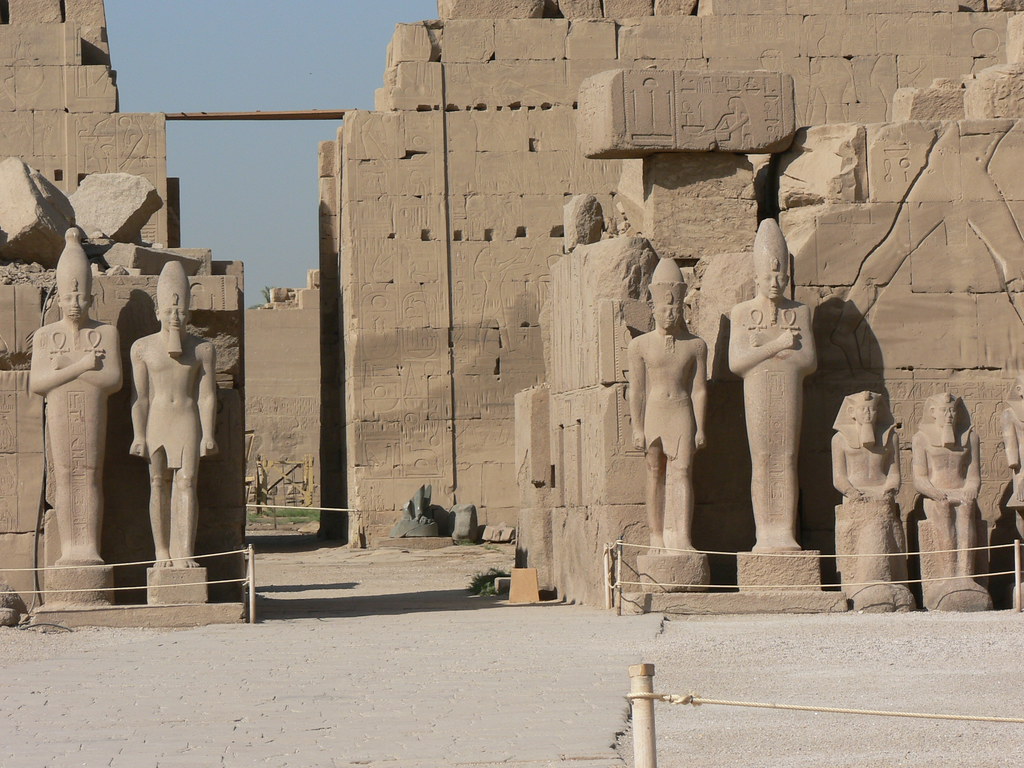
The temple of Amun proper is only the centerpiece. Surrounding it are the precincts of his consort Mut and their son Khonsu, together forming the Theban triad. Processional avenues lined with sphinxes—some with the bodies of lions and heads of rams, others with human faces—connected these enclosures, creating a ritual geography that mirrored the cosmos. The entire complex, covering over 100 hectares, was once a city within a city, populated by thousands of priests, scribes, musicians, and laborers. Yet despite its scale, archaeologists estimate that perhaps only 10% of the original structures have been fully exposed and studied. The rest lies beneath the modern water table or choked by centuries of debris, which is precisely where the new excavations are making their mark.
Untapped Frontiers: Where the New Excavations Unfold
The most intensive recent campaigns have focused on three zones: the southern sector of the Mut precinct, the area directly in front of the tenth pylon, and the margins of the sacred lake. The Mut temple, dedicated to the vulture‑headed mother goddess, sits about 350 meters south of Amun’s main temple, connected by an avenue of ram‑headed sphinxes. Long overshadowed by its larger neighbor, the Mut precinct is proving to be a goldmine of well‑preserved domestic and industrial remains. Here, archaeologists have peeled back layers of mudbrick that were once dismissed as mere debris, revealing workshops, bakeries, and administrative quarters that serviced the temple’s daily operations.
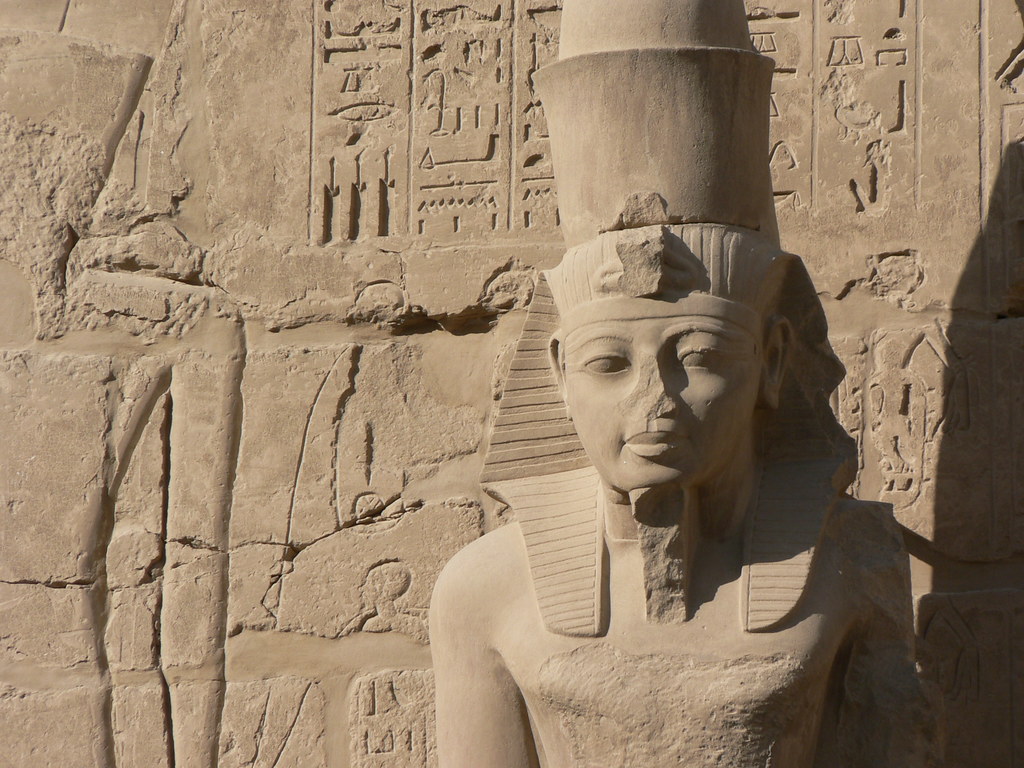
At the tenth pylon—a massive gateway erected by Pharaoh Horemheb at the close of the 18th Dynasty—the excavations have been equally revelatory. This pylon, standing at the southern processional entrance, was built partly from recycled blocks torn from earlier monuments. The dismantling of its foundations has yielded a cache of talatat, small standardized sandstone blocks from the reign of Akhenaten, the heretic pharaoh who briefly abandoned Amun for the sun disk Aten. These blocks, bearing colorful scenes of Aten’s rays and royal palace life, had been unceremoniously reused as infill, preserving in a time capsule the very imagery that Horemheb’s restoration sought to erase. Meanwhile, around the sacred lake, where priests once purified themselves at dawn, deep coring and geophysical scans have detected a complex system of channels and quays that reveal how water was managed on a colossal scale.
Beneath the Surface: Cutting‑Edge Methods and Early Surprises
The modern excavator’s toolkit extends far beyond spades and brushes. Before a single pickaxe strikes the earth, ground‑penetrating radar (GPR) antennas are dragged across the site in careful grids, bouncing radio waves off buried walls and voids. This non‑invasive technique has been transformative at Karnak, where the sheer extent of the ruins makes random trenching impractical. In the Mut precinct, GPR surveys illuminated a dense maze of foundations beneath what looked like empty ground, allowing archaeologists to pinpoint excavation trenches with surgical precision. The result has been the rapid uncovering of entire domestic compounds without needless destruction of overlying strata.
Complementing the radar are soil micromorphology and radiocarbon dating. By analyzing thin sections of sediment under a microscope, researchers can identify ancient living floors, hearths, and even the chemical signatures of food processing. Radiocarbon dates from charcoal and plant remains have tightened the chronology of the marginal zones, revealing that some areas assumed to be late Ptolemaic were actually bustling as early as the 21st Dynasty. The team is also multidisciplinary in the truest sense: ceramicists reconstruct shattered amphorae to track trade routes, archaeobotanists sift through charred seeds to reconstruct the temple diet, and epigraphers decipher ink‑written ostraca that record deliveries of bread and beer. Together these specialists have transformed Karnak from a static monument into a dynamic, organic settlement.
Rewriting Ritual and Daily Life: Key Discoveries
Among the most startling finds are the extensive workshops and storage facilities that hug the inner enclosure walls of the Mut precinct. One large building, identified as a bakery‑brewery complex, contains rows of mudbrick ovens and ceramic vats coated with beer residue. Chemical analysis of the vats suggests the production was not for common consumption but for ritual offerings: the beer was laden with spices and fruits, a luxurious libation for the goddess. Adjacent granaries, some still containing carbonized emmer wheat, attest to a sophisticated redistributive economy where grain was collected as taxes and then processed into bread and beer for the temple staff and the gods themselves.
Even more evocative are the small personal objects that rarely survive: a carved ivory throwstick for a board game, a child’s leather sandal, a hastily scribbled note on a limestone flake asking a priest to deliver “twenty loaves and a jug of wine.” These artifacts puncture the grand narrative of pharaonic ambition with the intimate rhythms of ordinary existence. In one corner of the dig, a deposit of crocodile mummies and clay votive models of body parts points to a local healing cult, perhaps for those who labored in the temple workshops. The discovery of several intact stelae, one depicting a previously unknown “Overseer of the Lake” offering incense to Mut, has added a new administrative title to the temple hierarchy, illuminating how the sacred lake’s ritual purity was maintained by a dedicated staff.
- A bakery‑brewery complex with fruit‑infused beer for offerings
- Granaries with carbonized emmer wheat, evidence of a temple‑centered economy
- Personal items: an ivory game piece, a sandal, and an ostracon requesting bread and wine
- Crocodile mummies and healing votives suggesting a cult for laborers
- New stelae revealing titles like “Overseer of the Lake”
Sacred Alignments and Cosmic Connections
Karnak was never merely a pile of stones; it was a machine for mirroring the heavens. The main east‑west axis aligns precisely with the sunrise on the winter solstice, when the sun’s first rays would stream through the central doorway and illuminate the sanctuary of Amun‑Ra. Earlier scholars recognized this alignment, but the new excavations have exposed the foundations of a small Middle Kingdom chapel that sits directly on that axis, pushing the deliberate orientation back centuries earlier than previously thought. The architectural blueprints, it seems, were already cosmic in scope long before the great pylons rose.
This precise alignment mirrors practices seen in other ancient cultures, such as the Mayan temples designed to capture solstice light. At Karnak, the solstice was not the only celestial event encoded in stone. Using laser scanning, researchers have detected subtle skews in the placement of later additions—particularly a slight deviation in the axis of the Khonsu temple—that appear to track the lunar standstill cycle, a complex 18.6‑year pattern. Such refinements suggest that the priesthood possessed a sophisticated understanding of both solar and lunar cycles, weaving them into the temple’s fabric to ensure that every ritual occurred at its cosmically propitious moment.
A Glimpse into the Divine Economy: The Treasures of the Mut Precinct
While Amun’s temple dazzles with its colossal scale, the Mut precinct is delivering a quieter but equally profound revelation: the inner workings of a temple’s divine economy. The newly uncovered administrative quarter includes a unit that stored bronze tools, chisels, and molds for casting figurines. These were not humble workshops but state‑managed production centers, likely under the supervision of priests who controlled the inflow of copper from Sinai and tin from distant trade routes. The discovery of several intact molds for amulets of the goddess Sekhmet—Mut’s fierce alter‑ego—indicates mass production of votive objects sold or given to pilgrims during annual festivals.
In a collapsed magazine, excavators found dozens of clay sealings stamped with the cartouches of high priests from the 21st Dynasty. These small lumps of clay, once attached to jars and boxes, reveal a meticulous bureaucracy that tracked every offering and commodity. Some sealings imprinted with the name of Pinedjem I, the High Priest who effectively ruled southern Egypt, confirm that the Mut temple was deeply enmeshed in the political power struggles of the Third Intermediate Period. Together with the bakery‑brewery and granary data, these finds paint a picture of a temple that operated as a veritable corporation, managing land, labor, and food on an industrial scale while cloaking its operations in divine mystery.
Conclusion: Karnak’s Next Chapter
The fresh spadework at Karnak is far from complete. Each season peels back another stratum, and the most tantalizing targets—such as the deep foundations of the Middle Kingdom temple—still lie largely untouched. Future plans include a comprehensive 3D model of subsurface anomalies and targeted excavations along the processional ways that linked Karnak to Luxor Temple to the south, where sphinx‑lined avenues are slowly being reassembled. The goal is no longer to simply display more monumentality but to reconstruct the sensory and social environment of the temple: the smell of baking bread drifting from the Mut bakeries, the murmur of priests chanting at the sacred lake, and the shadow‑play of solstice dawns.
These new findings remind us that Karnak was never a sterile monument but a living, breathing organism that sustained an entire community for millennia. The multinational excavation teams, blending Egyptian expertise with international partners, are ensuring that the temple continues to yield its secrets. As the water table rises and modern encroachment threatens the site, the urgency to document what lies beneath has never been greater. What emerges will not only enrich textbooks but also deepen our awe for a civilization that could choreograph stone, light, and time with such enduring precision.